
Trust Is The New Currency
- Dr. Roz McCarthy
- Jul 9
- 4 min read
I've spent more than a decade building businesses in cannabis, and if there's one thing this industry has taught me, it's that trust isn't a nice-to-have. It's the foundation that everything else is built on. Long before "trust technology" became a conversation in AI artificial, the cannabis industry was forcing us to confront one simple question every single day: Who can you actually trust?
It's a fair question. We operate in an industry that spent decades in the shadows. Even today, cannabis entrepreneurs are navigating inconsistent regulations, limited banking access, fragmented markets, and an ecosystem where everyone seems to know someone who knows someone. Relationships move quickly. Opportunities appear overnight. Introductions come from every direction. But not every opportunity is real, and not every connection is worthy of your time.
Over the years, I've learned that trust has very little to do with whether a business experiences setbacks. Businesses miss projections. Markets cool off. Investors change priorities. Product launches get delayed. A harvest doesn't perform the way everyone expected. A retailer closes. A contract expires. None of those things automatically make someone untrustworthy. That's business. Every entrepreneur who stays in the game long enough will experience highs, lows, pivots, and moments where the plan simply doesn't unfold the way it was drawn on paper.
Trust is tested in how people respond when those moments arrive.
Do they communicate openly? Do they take responsibility? Do they tell the truth even when the truth is uncomfortable? Or do they begin rewriting history to protect themselves? Those are very different things.

What concerns me far more than a business setback is the growing willingness of some people to manufacture alternate realities. We live in an era where someone can create a polished website in a weekend, build a LinkedIn profile filled with impressive-sounding titles, purchase followers, invent advisory boards, and present themselves as something they're not. Entire investment firms can appear legitimate on the surface while having little more than a logo and a Gmail account behind them. Unfortunately, that's becoming a familiar part of entrepreneurship.

As I've worked to raise capital for Black Buddha Cannabis, I've been approached by countless individuals claiming to represent family offices, investment groups, strategic partners, or funding networks. Some conversations have been genuine. Others have unraveled after even the most basic due diligence.
You learn that raising capital isn't simply about finding investors. It's about separating authentic relationships from carefully constructed illusions.
That's why I no longer judge people by the size of their network, the sophistication of their pitch deck, or the logos displayed on their website. I pay attention to consistency. Do they follow through? Do they do what they said they would do? Are they transparent when circumstances change? Can other people independently verify their reputation?
In cannabis, those questions matter because our industry has always, depended on relationships before institutions. Before traditional financing, before federal legalization, before Wall Street paid attention, businesses were built through trust. Operators trusted cultivators. Patients trusted advocates. Brands trusted manufacturing partners. Entrepreneurs trusted one another enough to build an entirely new industry despite enormous uncertainty. That trust is still our greatest competitive advantage.
As cannabis matures, we'll certainly see more sophisticated compliance systems, better banking, institutional capital, and professional infrastructure. Those developments are important. But none of them eliminate the need for trust. In fact, they make it even more valuable. The future of this industry won't simply be shaped by who raises the most money or who opens the most dispensaries. It will belong to the people and organizations whose reputation consistently matches their reality.
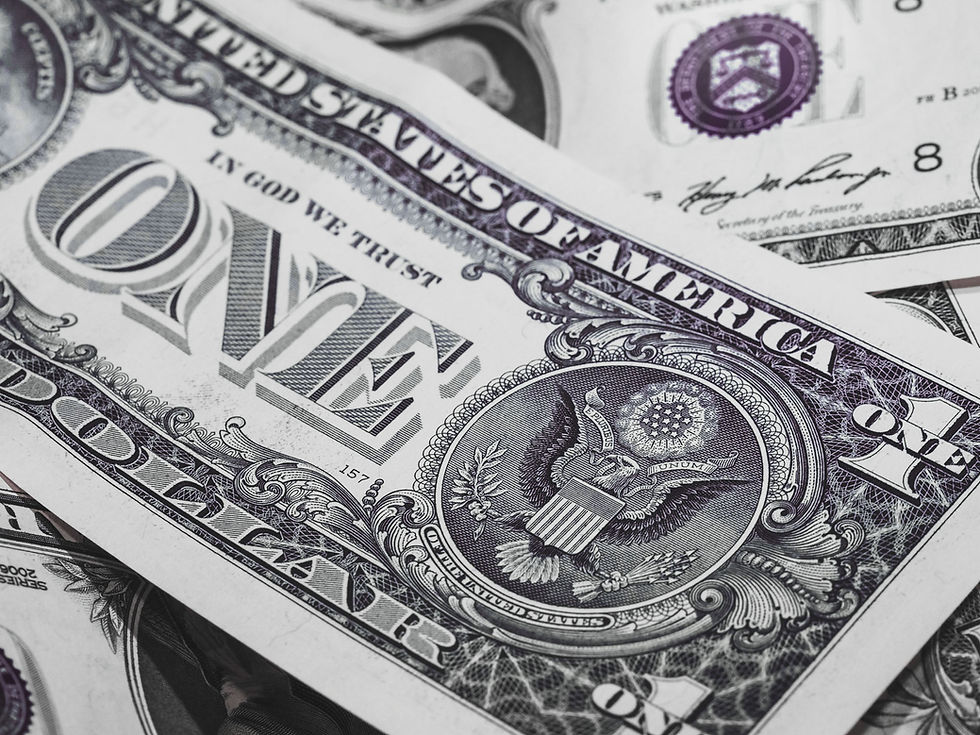
I've come to believe that trust is no longer just a character trait. It's an asset. It's a form of currency that compounds over time. Once earned, it opens doors that marketing budgets can't buy. Once lost, it becomes incredibly difficult to recover. Perhaps that's the greatest lesson cannabis has taught me.
In an industry where almost everything has changed over the last decade, trust remains the one thing that never changes.

As I've reflected on my own journey, I've come to realize that trust isn't just something we extend to other people. It's something we build within ourselves.
I've made decisions that, looking back, I would handle differently today. I've trusted too quickly. I've waited too long to trust my instincts. I've learned that accountability isn't about assigning blame it's about asking yourself what you could have done better. Could I have communicated more clearly? Set expectations earlier? Asked tougher questions? Listened to my intuition instead of ignoring the quiet voice telling me something didn't feel right?
Growth has required me to become a student again. I've committed to reading more, learning from founders who have walked difficult paths before me, and challenging myself to become a better leader. Books like The Diary of a CEO have reminded me that leadership isn't about having all the answers. It's about developing the self-awareness to recognize where you can improve and having the humility to do the work.
Today, I spend as much time investing in my character as I do my companies. I'm working to become a better communicator, a better listener, a better CEO, and a better partner. If there's one thing I've learned, it's this: trust doesn't begin with a perfect track record. It begins with integrity, consistency, and a willingness to keep growing even when growth is uncomfortable.
I don't claim to be perfect, and I never will. But I will always be committed to learning, improving, and showing up as the best version of myself every single day.
At the end of the day, the greatest investment any of us can make isn't in our next company or our next opportunity it's in becoming someone worthy of another person's trust.
Author
Dr. Roz McCarthy


Comments